Leadership is something we talk about almost everywhere people work together. We write books about it, teach courses on it and spend hours discussing what makes a good leader. Often, the conversation begins with the difference between leadership and management: how we give people direction and support, and how we organise the work that needs to be done. From there, we move into a growing world of ideas, from transformational and empathetic leadership to visionary and servant leadership, each offering a slightly different answer to the same question: how can we lead well?
Some approaches focus on a strong personality and a clear vision. Others place more importance on listening, caring for people and helping them grow. We also discuss “feminine” and “masculine” leadership, or explore how leadership affects happiness and wellbeing. There is enough here to fill whole magazines and blogs, and much of it is worth reading. Yet whenever I follow these conversations, I feel that something important is missing. We spend so much time looking at human ideas about leadership that we rarely look at the natural world we belong to.
This seems strange to me, because our lives as social beings are rooted in nature. Long before there were offices, job titles or training courses, people had to find their way together, care for one another and respond when conditions changed. We still face these needs today, even if our surroundings look very different. Looking at how other living beings share space, find food and live in groups can help us see our own relationships more clearly. It can also remind us that leadership always happens within a wider world, where our choices affect others and where much lies beyond our control.
A wolf pack is a good place to start, especially because wolves are so often used to describe powerful leaders. We are familiar with the image of the tough “alpha” who reaches the top by defeating everyone else. But most wild wolf packs are families, made up of parents and their offspring. When we understand this, we begin to look at the pack differently. Alongside strength, we start thinking about experience, care and responsibility for the young. For me, this is a useful reminder to look beyond the strongest personality in a group and pay attention to the relationships that hold it together.
Bees invite us to look at another part of leadership: how a group makes decisions. When a swarm needs a new home, scout bees visit possible sites and share what they find. The choice develops through a process involving many scouts. This offers an interesting thought for anyone leading a team. Different people notice different things, and their knowledge can improve a decision if there is room to share it. A leader who always has the answer may never discover what the rest of the group knows.
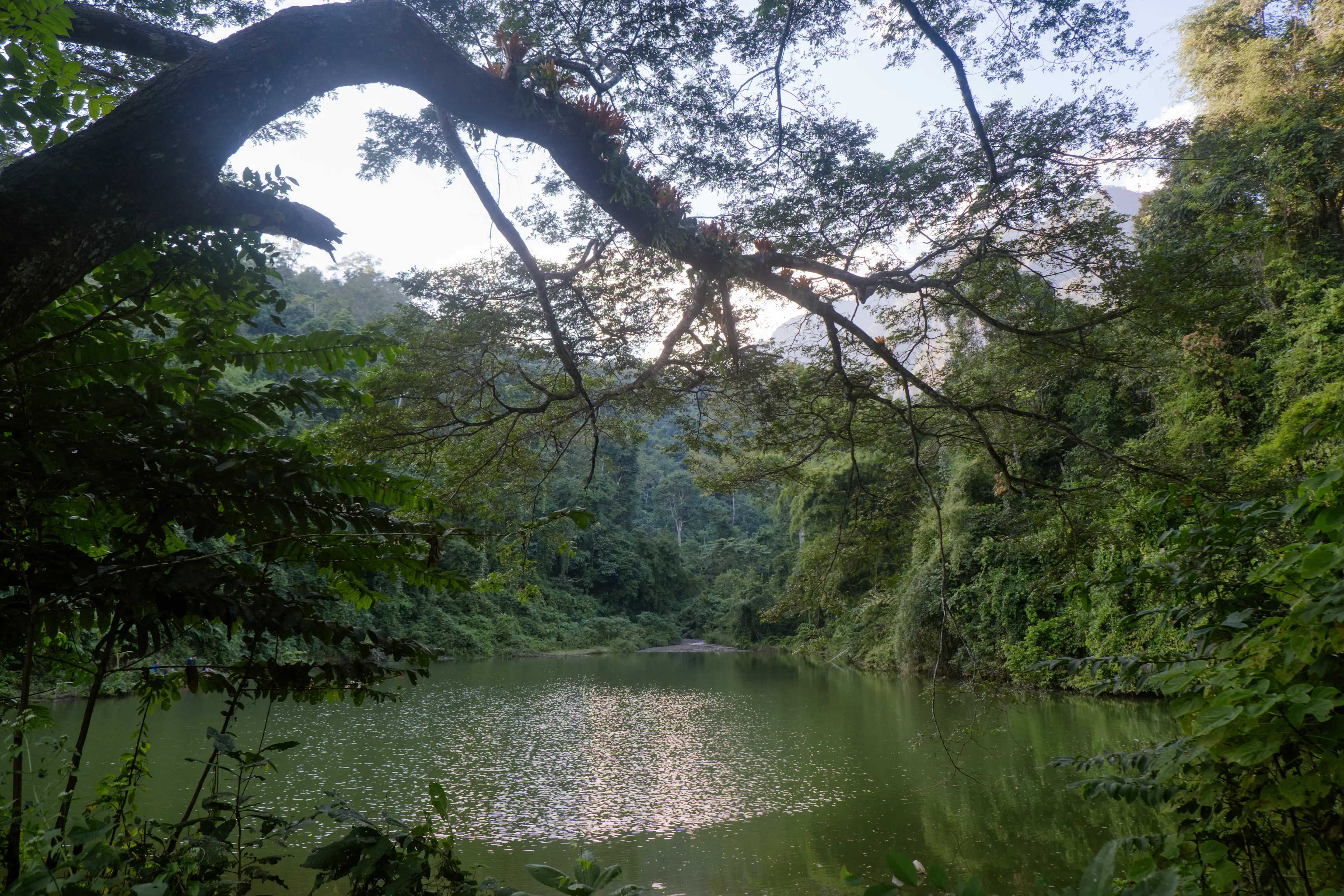
Once we start looking at these relationships, we can see them beyond groups of the same species. Walking through a forest, we might first notice the tall trees, yet their lives are linked to countless smaller living things. Fungi break down fallen wood and leaves, returning nutrients that other organisms can use. Much of this work is easy to overlook, just as we can overlook the quiet contributions that keep a team going. Of course, nature also includes competition and conflict, so it cannot tell us how people ought to behave. What it can do is help us notice how much life depends on relationships, including those we rarely see.
For me, this is where nature and leadership meet. When I lead, I am part of a group that depends on my actions, just as I depend on theirs. That group also belongs to a community and uses resources from the wider world. My responsibility therefore reaches beyond my own goals or the next result. I need to understand what I bring, where I need help and how my choices affect others. This means paying attention to three connected relationships: the one I have with myself, the ones I have with other people, and the one I have with the natural living world around me.
The relationship with myself matters because I bring my habits, fears and expectations into every group I join. If I need to be right, I may find it hard to listen. If I hide my tiredness and keep pushing, I may expect everyone else to do the same. When I feel unsure, I may try to control more than I need to. Learning to notice these patterns is part of self-leadership. It gives me a chance to pause, understand what is happening and choose a response that is more helpful to the people around me.
This is why self-leadership needs more than thinking about our values or describing the kind of person we want to be. We also need to find out how we behave when things become difficult. It is easy to describe ourselves as calm, patient or resilient when we are comfortable. Those qualities become much harder to practise when we are tired, afraid or unable to control what happens next. Learning to lead ourselves means facing that difference honestly and working on how we respond.
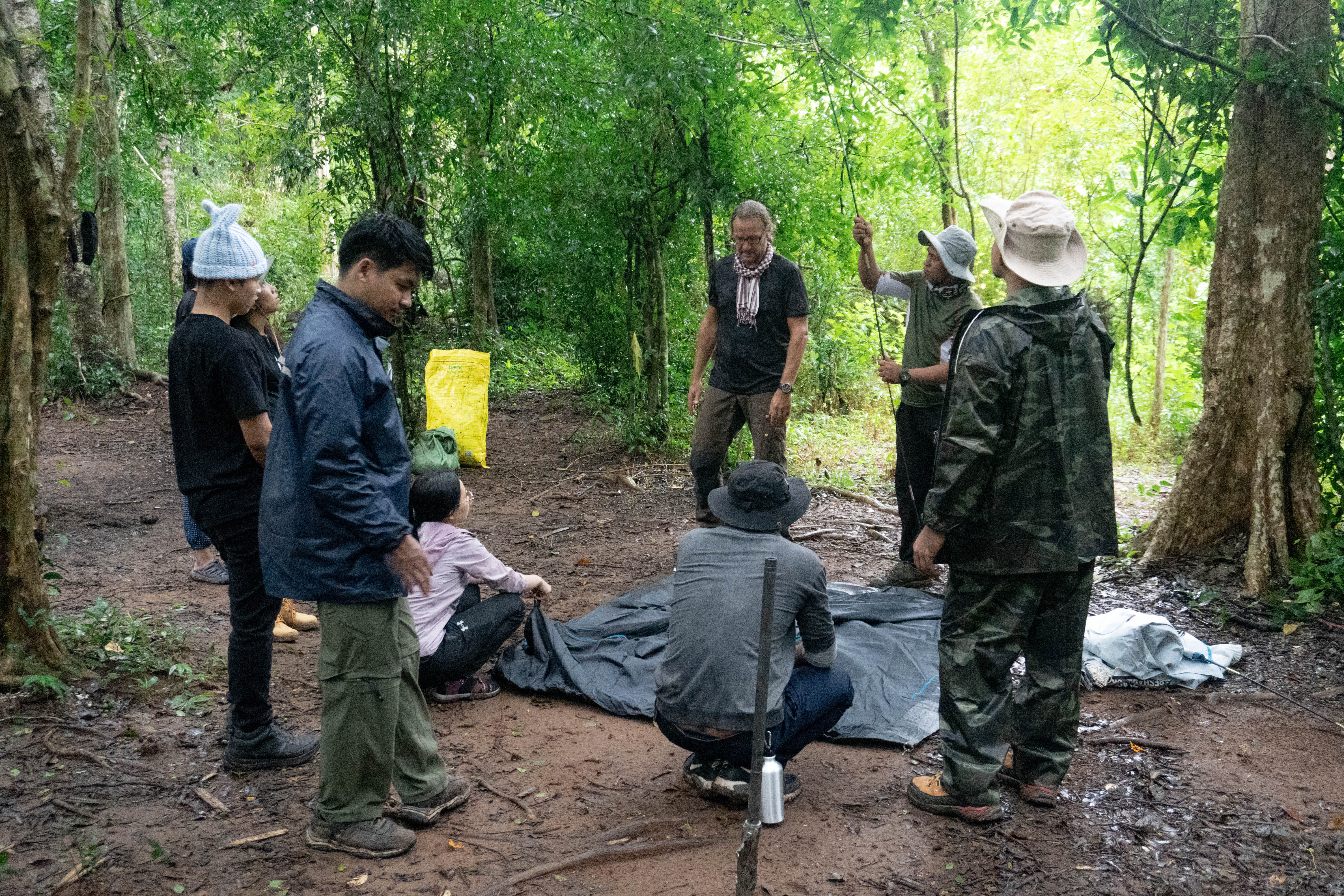
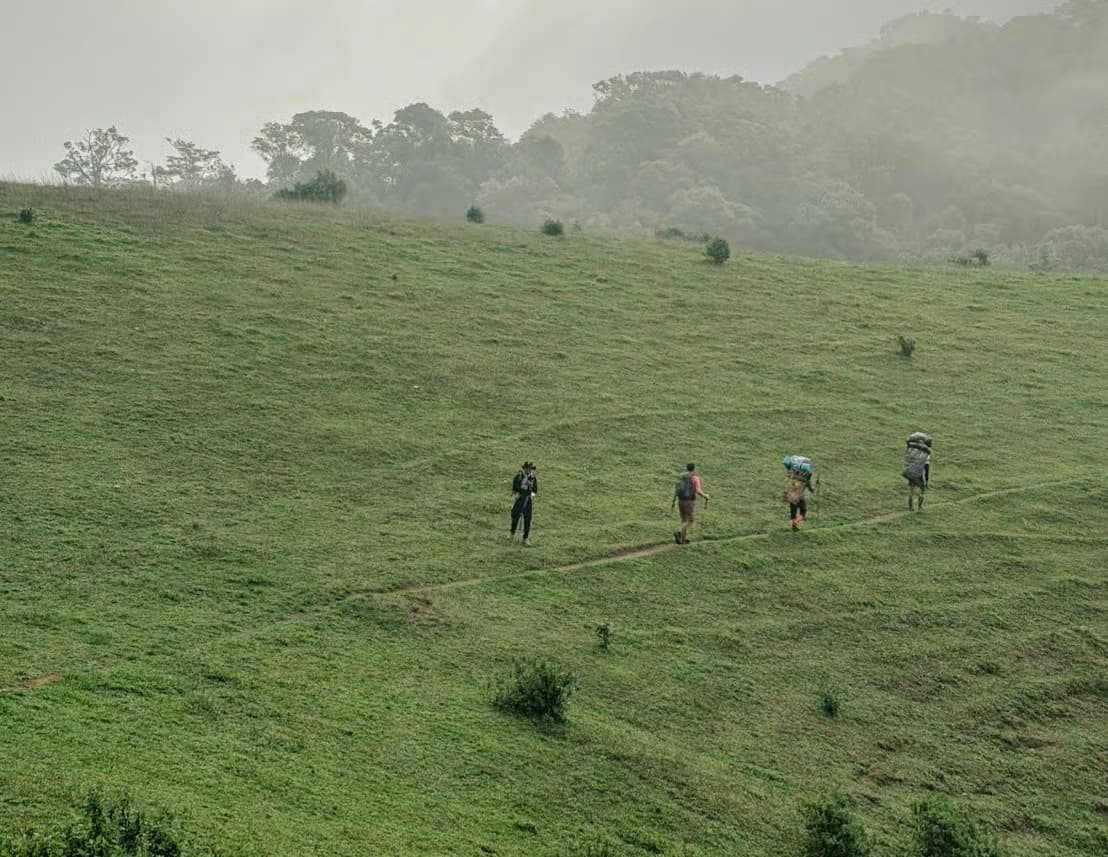
Nature gives us a direct way to do this. Walking uphill or setting up camp in the rain demands effort. The weather does not change because we dislike it, and reaching camp may still require another hour of walking. A office or classroom can challenge our thinking and emotions, but usually keeps the physical conditions familiar and controlled. Outdoors, we can face physical effort, uncertainty and group tensions at the same time. We have to work through a situation while we are actually experiencing it.
Sometimes it takes surprisingly little to unsettle us. A short climb leaves us out of breath, wet shoes become a constant irritation, or a mosquito buzzing around our head is enough to ruin our mood. If I lose patience over a small discomfort, what happens to the people around me? Do I start blaming someone, stop contributing or expect the group to solve everything for me? I can observe how I handle frustration and regain my focus.
Other challenges bring us closer to our fears. Darkness, sleeping outdoors or taking responsibility may reveal unfamiliar worries. We might be afraid of getting something wrong, losing control or looking weak in front of others. Working through a manageable challenge helps us understand and face that fear. We can discover that we are capable of more than we expected, while also learning when we need support. Resilience includes recovering, adapting and making sensible decisions about our limits.
This is where leaving the comfort zone becomes useful for leadership. Imagine leading a group uphill when you are tired yourself and the walk is taking longer than planned.
Someone asks for a break, another person questions the route, and you are beginning to doubt your own decision. You now have to manage your reaction while still paying attention to the group. Whether you listen, explain your thinking, accept help or become defensive is something others can see and respond to. Your leadership is being tested through what you do.
Overcoming challenges together also tests whether we can put the group's needs ahead of our own ego. Being the fastest walker does not tell us who will notice a struggling teammate. Speaking confidently does not tell us who will admit a mistake. The person who needs help during the climb may later be the one who keeps everyone organised at camp. As responsibilities change, we have to learn when to step forward, when to follow and when to let someone else lead. That takes trust and a willingness to give up some control.
To learn from these experiences, we need to act on what we discover. After a difficult task, we need time to discuss what happened, compare our own view with what others noticed and decide what to practise next. Perhaps I believed I was being clear, while the group felt I was shutting down their ideas. Perhaps I gave up before trying, or kept pushing because I did not want to admit I was struggling. Honest feedback helps turn these moments into specific changes we can test during the next challenge.
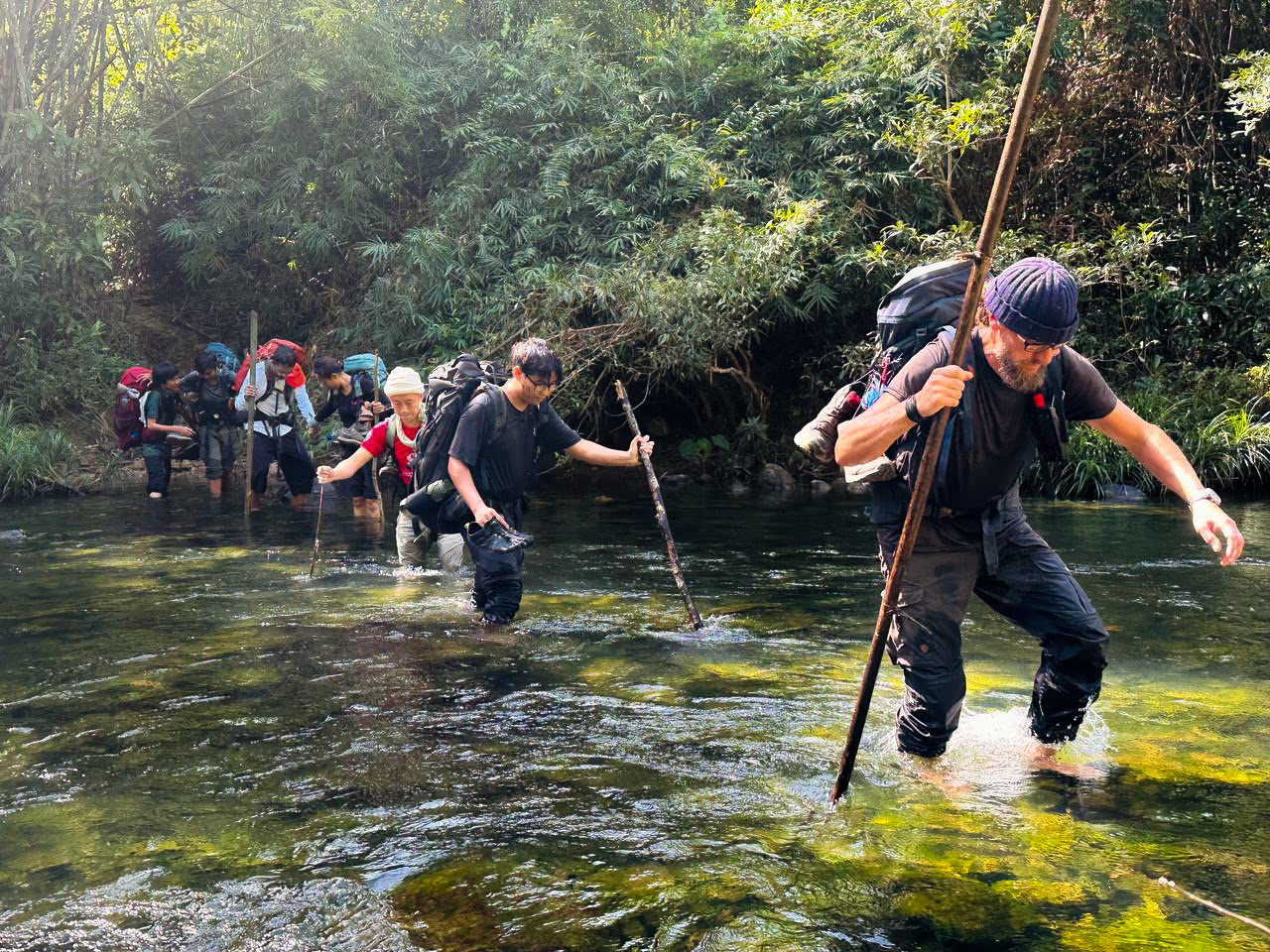
This is central to YEP Academy's nature-based leadership journey. The trek and shared life on the mountain give participants real responsibilities and challenges to work through. Short lessons, self-observation and feedback help them understand their reactions and improve how they lead. The aim is to leave with a more honest view of their fears, strengths and limits, alongside practical experience of making decisions, supporting others and adapting when a plan fails.
For me, leadership from within begins with this willingness to test ourselves. The next step is to carry that learning back into our teams: to stay open when someone disagrees, take responsibility when we make a mistake and keep working constructively when things become difficult. We learn more about our leadership when we move beyond describing it and give ourselves a real chance to practise it.