Even If It Meant Letting Go of What We Built
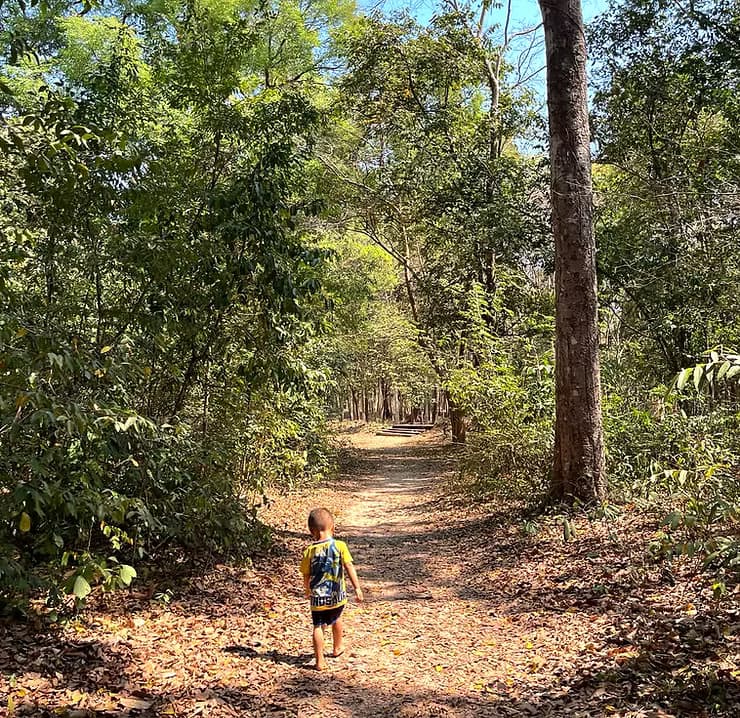
It was about two years ago, my two-year-old boy walking slowly at the entrance of an old temple in Angkor. We didn’t lead him—we just followed his pace. On both sides stood tall trees with a wide, sheltering canopy, but it wasn’t only the big things that felt alive; small plants, flowers, and the gentle song of birds along the path made the whole place feel welcoming. The ground was soft and sandy, smooth under his feet, and he kept stopping to touch, to look closer. Fallen leaves, spinning seeds, butterflies of different colours—each one was enough to hold his attention, and for that moment, we began to see the world the same way he does.
Before that, we were living in Phnom Penh. Life there was fast, busy, and often overwhelming—heavy traffic, constant noise, and most things built around consumption. I grew up there, both personally and professionally, and it gave me a lot. But over time, especially after he was born, something started to feel different. Even for him, going out was mostly about supermarkets, restaurants, or crowded and noisy parks—places already designed and controlled, rather than something real to explore. That quiet feeling that we didn’t fully belong there anymore is what allowed us to decide to move.
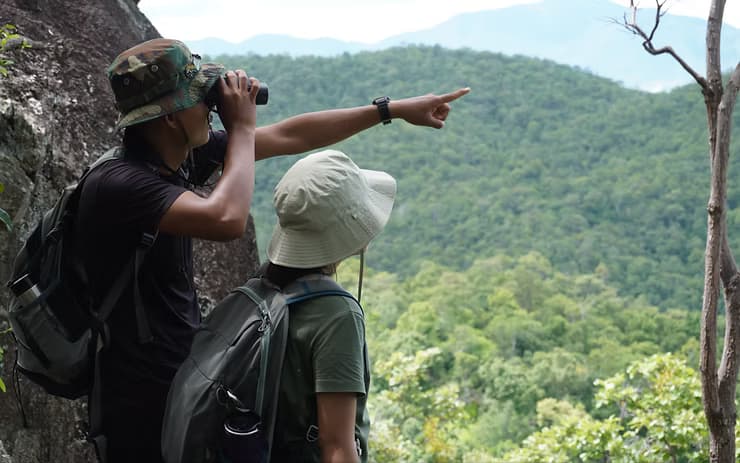
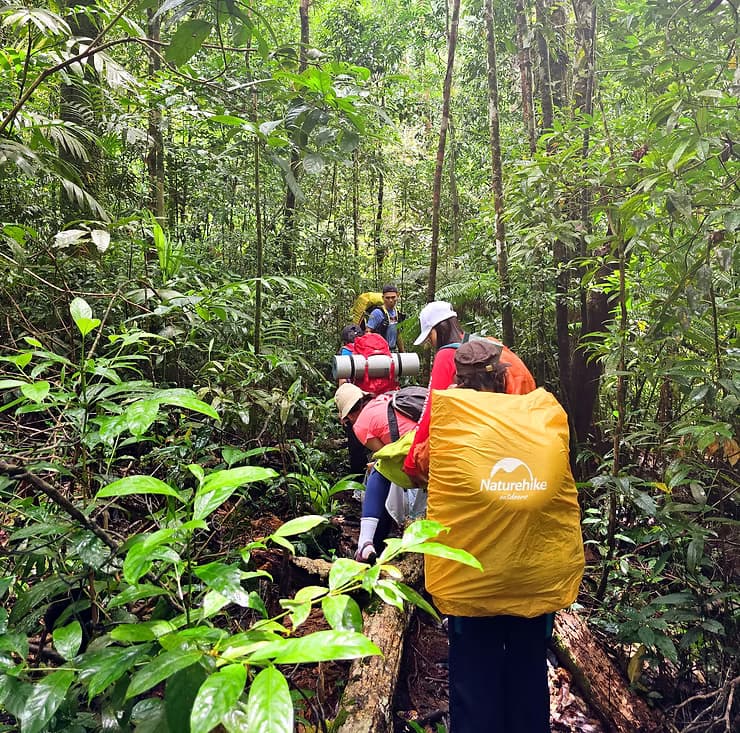
The decision was not easy. It was not only about changing where we live, but also about changing the direction of our lives. From a work perspective, it didn’t really make sense. My wife and I had spent many years building our path, starting by working international organizations in conservation and later founding our own company, Young Eco Ambassador, with the mission of bringing people into forests and helping them reconnect with nature. Moving to Siem Reap meant slowing things down, being further from our team, and letting go of some control. Many people questioned our decision, and honestly, sometimes we did too.
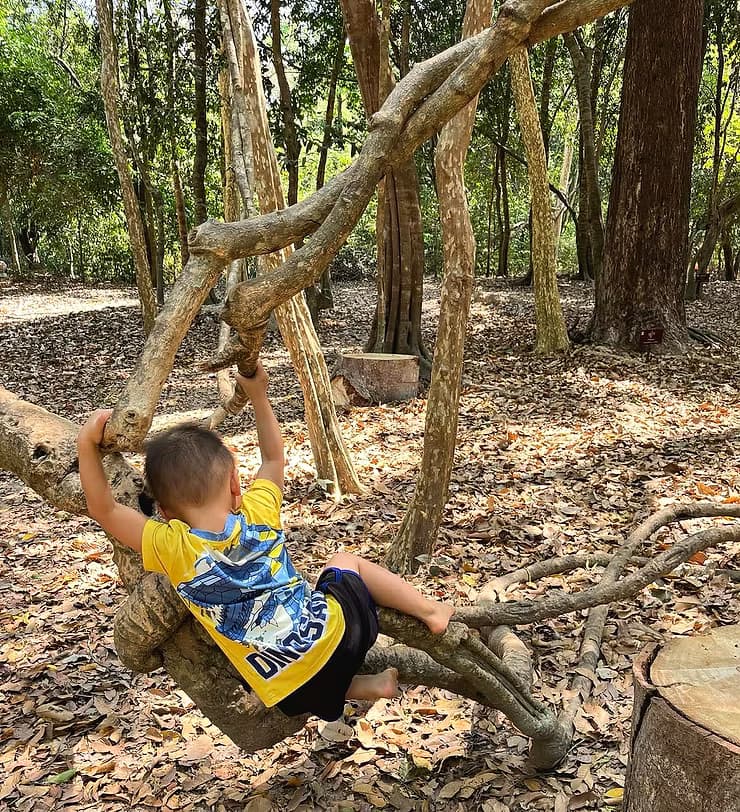
What my son lost is quite easy to see. The bright lights of the city, the supermarkets, the modern playgrounds—all the places designed for easy fun. But looking closer, those experiences were mostly passive, something already prepared for him. What he gained is harder to measure, but feels much deeper. Going into nature is no longer a weekend or holiday plan; it has become part of our everyday life. In Siem Reap, real experiences of movement, curiosity and discovery are always waiting just a short distance from home.
Because of this, small moments began to carry a different meaning. He would spend time in the garden, following a frog as it moved from one place to another, fully absorbed in the moment. He used to hesitate, but now he walks barefoot over leaves, soil, and tree trunks comfortably. Some days, a pair of hornbills landed in the doem pring tree, in front of our home feeding each other while we watched with awe. In the suburb jungle, he was captivated by men climbing high to harvest plae kuy, tasting the wild fruit the moment it fell. These experiences began to bring the conservation stories from his children’s books into real life.
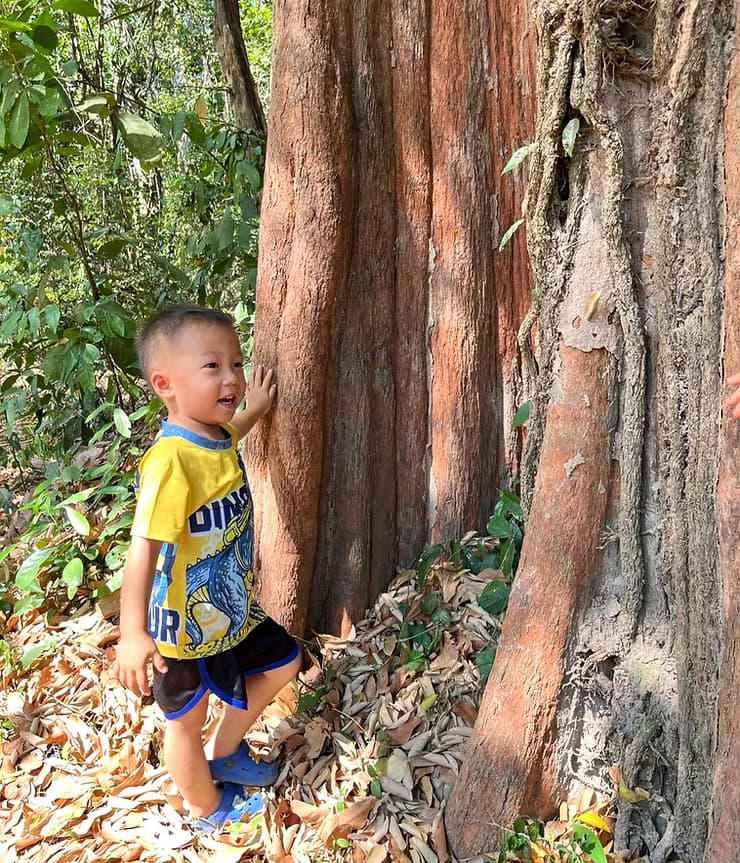
More than just a change for him, this shift offers us a quiet power for healing. Nature has slowly cleared the fog in our minds, allowing space to reflect and reconsider the path ahead after a year of living here, shaping how we think about what really matters, what we are willing to let go of, and the kind of life we want to build as a family.
Isn’t this one of the most meaningful gifts we can give our child—a deep connection to his original home?