The outdoors has a peculiar way of acting as a mirror. A rugged trail, a dense forest, or a silent mountain peak doesn't just test your lung capacity; it holds up a mirror to your mind. Nature exposes how we negotiate with ourselves when things get difficult.
In the world of outdoor education, we use a simple map to describe this inner landscape: three invisible territories called the Comfort Zone, the Stretch Zone, and the Panic Zone. Understanding them is the difference between a walk in the forest and a journey that changes you.
The Comfort Zone: The campsite you know by heartThink of your comfort zone as that familiar campsite you return to year after year. You know exactly where to pitch your tent to avoid the roots, where the best spot to sit by the fire, and the sound the stream makes at night. Everything is automatic.
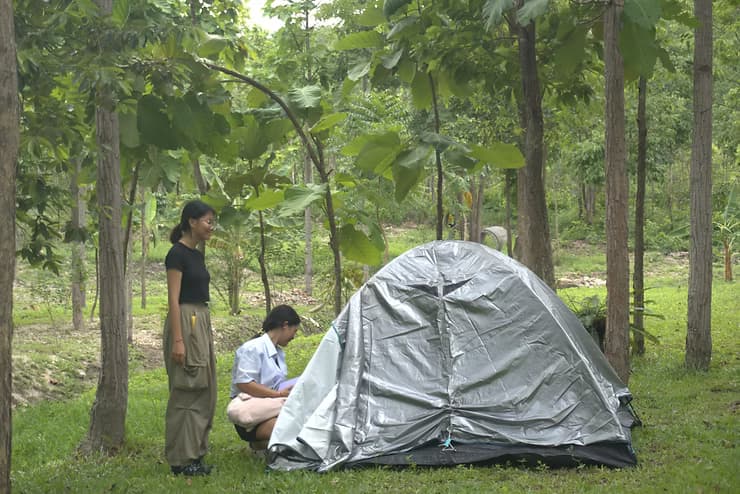
We often think of the comfort zone as a trap, a place of laziness. But it’s actually your home base. It’s where you rest, recover, and integrate the lessons from the trail. It’s the solid ground you need beneath you before you can leap. The only danger is if you never leave. If you stay here forever, the world stays small, and you never discover the parts of yourself that only show up when the trail gets steep.
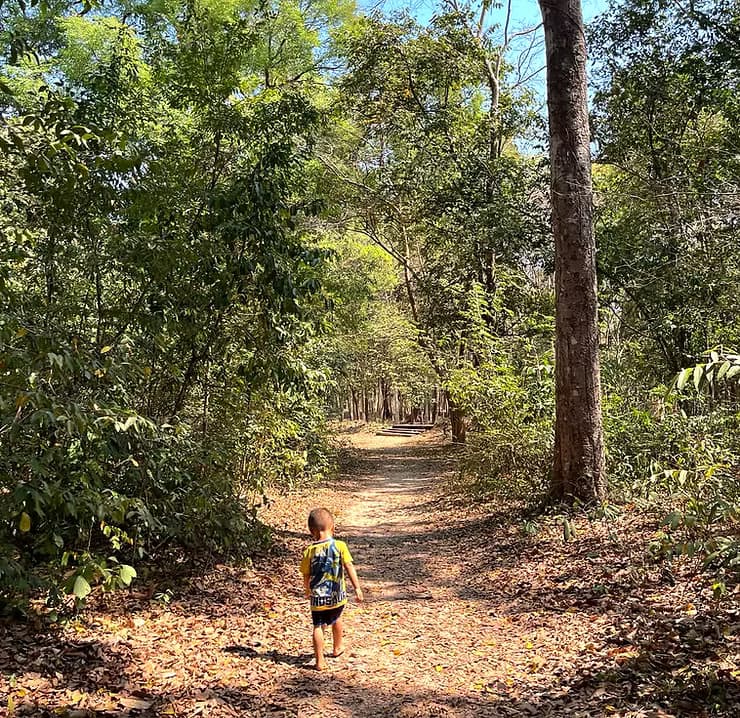
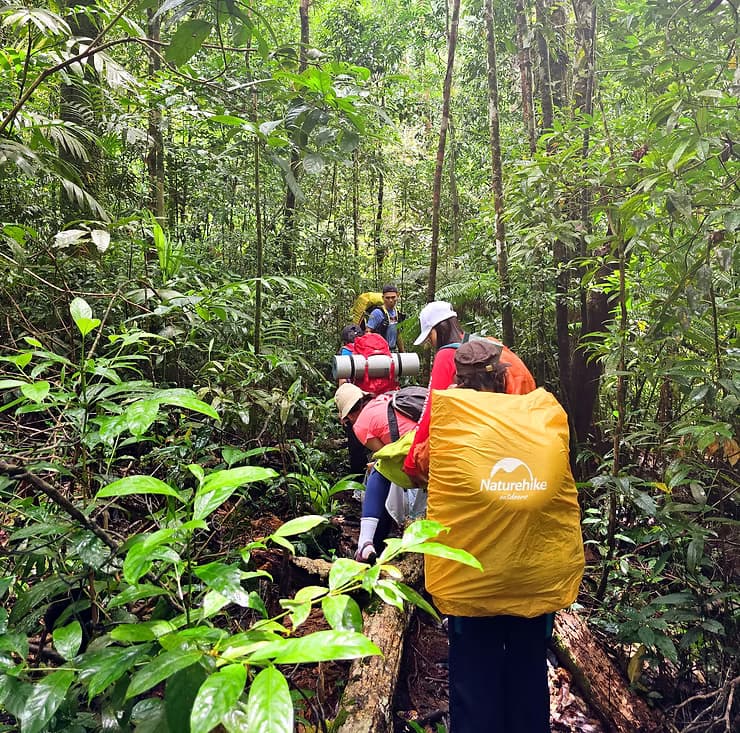
The Stretch Zone: The learning zoneNow imagine, the trail begins to incline; your breath quickens, your heart rate climbs, and you suddenly have to pay very close attention to where you place your boots. Suddenly, you can't just zone out and think about dinner; you have to actually pay attention to where you put your feet. Is that rock loose? Is that root slippery? Why is that branch moving or maybe that’s because of the wind?
This is the "Sweet Spot" of the learning zone. It could look like:Navigating off-trail using a map and compass for the first time.Pushing for "just one more half kilometers" even though your legs are typing very angry letters of resignation.Or finding the water source for your own drinking
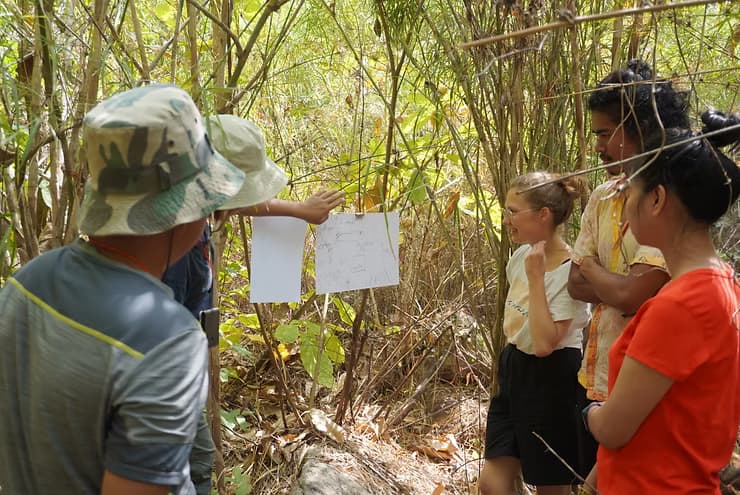
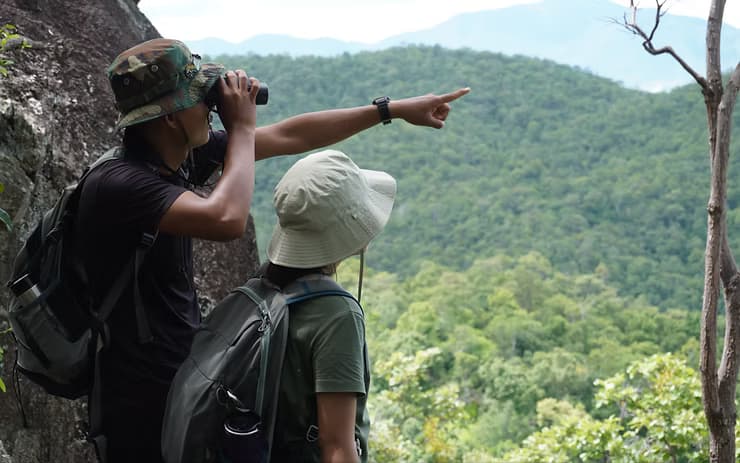
In the stretch zone, you are uncomfortable, but you are not incapacitated. You are alert, focused, and deeply engaged. This is where the magic happens. When you finally drag yourself to the top of that mountain and look back at the trail you just climbed, a quiet little thought creeps in: Wait…I actually did that. And just like that, your map gets a little bigger. What was "stretch" yesterday becomes your new "normal" tomorrow.
The Panic Zone: Maybe it is a bit too much Now imagine the weather turning so suddenly. You’re standing on a narrow, exposed field, and the wind is beginning to howl. Your palms are sweating, your thoughts are fragmented, and your body feels heavy or "frozen." You’ve officially slipped into the fear zone.
This happens when the challenge isn't just a little harder than what you can handle, it's a wall. Your brain, sensing danger, hits the emergency brake. It shuts down the "learning and thinking center" and flips on the survival switch. You aren't thinking about improving your hiking technique; you're just trying to get through the next ten seconds.
And yes the truth is no one grows when they are terrified. A good facilitator knows that pushing someone into panic isn't "tough love", it's a shortcut to burnout and withdrawal. It doesn't build character or growth; it builds a desire to never come back or come back home.
Why Nature is the Ultimate TeacherNature operates in a perfect, rhythmic cycle of stress and recovery. You climb, and then you rest. You brave the cold river crossing, and then you sit by the fire to warm your feet. Stress, then recovery. Challenge, then safety.
This rhythm is exactly how we are wired to grow. If an outdoor experience (or a life experience) keeps you entirely comfortable, you return home to exactly the same person who left. If it keeps you in a state of constant fear, you return exhausted, discouraged and never want to try again.
But when you are facilitated into that "stretch zone" supported by the right tools or maybe just enough stubbornness to keep going, you return expanded. The mountain doesn't care if you conquer it; it simply stands there as a standing invitation to see who you might become if you take just one more step.