← Back
Making Space for the Wild in Southeast Asia

Making Space for the Wild in Southeast Asia

April 2, 2026
By Annie Kukreja
2 min read mins

Nature is imperfect. That is part of what makes it so beautiful. It is wild, messy, and not neatly organised. That is what makes it so alive. There is a quiet kind of magic in this wilderness, yet many of us are slowly becoming less familiar with it.

Today, many of the landscapes we move through, from school grounds to neighbourhood parks, are expected to be tidy and well arranged. Managed green spaces are closely trimmed. Shrubs are shaped into neat, uniform borders. Roadside trees are often heavily pruned to avoid power lines. Across many fast-growing cities in Southeast Asia, nature is still present but deeply contained, and it does not quite feel alive. This neatness comes at a cost.
e03823_64f8a350037148d2bfb0557cfcda760e~mv2 (2).avif

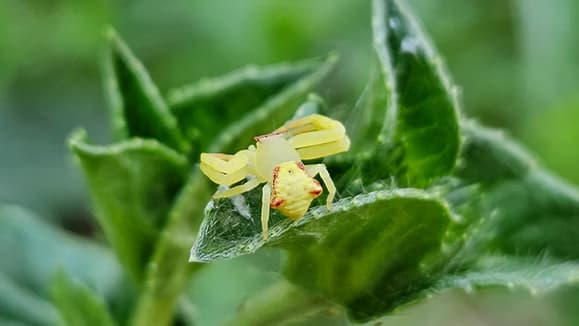
This is the picture

When vegetation is repeatedly cut back, and spaces are managed mainly for order and efficiency, diversity quietly thins out. With fewer layers of plants, there are fewer places for insects, birds, and small creatures to thrive. Over time, landscapes may still look green, but they function less like living ecosystems. And simpler environments are often more vulnerable to heat, drought, and flooding.

In tropical Southeast Asia, one of the most biodiverse regions on Earth, this matters deeply. Our climate naturally supports a rich web of plants, pollinators, fungi, and wildlife. Yet rapid urbanisation, expanding infrastructure, and the preference for easily managed planting have steadily reduced everyday biodiversity in many of the places where people live, learn, and grow.
Tags
AwarenessBangkok
Annie Kukreja

Author

Annie Kukreja

Funding & Partnership I Climate Change & Community Engagement

Annie Kukreja is deeply passionate about addressing the PM2.5 air pollution crisis in Thailand and is actively involved in developing projects to tackle this pressing issue. Additionally, she is committed to contributing to global efforts to mitigate the severity of climate change. With a focus on hands-on experience and a continuous pursuit of knowledge, Annie finds inspiration in sustainable development and conservation practices. Join Annie on her journey as she strives to make a meaningful difference in the realm of environmental stewardship and climate action.

Related Articles

We Chose the Ancient Landscapes of Angkor to Raise Our Child

We Chose the Ancient Landscapes of Angkor to Raise Our Child

It was about two years ago, my two-year-old boy walking slowly at the entrance of an old temple in Angkor. We didn’t lead him—we just followed his pace. On both sides stood tall trees with a wide, sheltering canopy, but it wasn’t only the big things that felt alive; small plants, flowers, and the gentle song of birds along the path made the whole place feel welcoming. The ground was soft and sandy, smooth under his feet, and he kept stopping to touch, to look closer. Fallen leaves, spinning seeds, butterflies of different colours—each one was enough to hold his attention, and for that moment, we began to see the world the same way he does.

3 min read mins
Nature as a Learning Field: A Foundation for Holistic Learning and Growth

Nature as a Learning Field: A Foundation for Holistic Learning and Growth

At YEP Academy, we believe that learning does not only happen inside classrooms. Some of the most powerful learning moments happen outdoors, on the trail, beside a river, under the shade of trees, or while working together in a natural environment. This belief is grounded not only in experience, but also in science.

yep-academy4 min read mins
Understanding the Comfort, Stretch, and Panic Zone in the Outdoor

Understanding the Comfort, Stretch, and Panic Zone in the Outdoor

The outdoors has a peculiar way of acting as a mirror. A rugged trail, a dense forest, or a silent mountain peak doesn't just test your lung capacity; it holds up a mirror to your mind. Nature exposes how we negotiate with ourselves when things get difficult.

Huy Ing Lay4 min read mins
Changing Our Relational View of Nature

Changing Our Relational View of Nature

For a long time, many of us have been taught even without realizing that humans are separate from nature. Nature becomes something we manage, control, protect, extract from, or escape into when life feels too much. It’s a place we visit but not a relationship we live inside.

Huy Ing Lay4 min read mins
Share: